

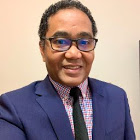
A counsellor is putting the spotlight on the signs of intimate partner violence at a time when the numbers continue to rise overall across the country.
“When it comes to family violence, there are actually a lot more cases than we actually know of,” says Marcus Cheung of the Calgary Counselling Centre.
The statistics – Saskatchewan has the highest rate
“In Canada, close to half (45%) of women and over one-third (35%) of men have experienced at least one form of psychological, physical, or sexual violence committed by an intimate partner at some point since the age of 15,” states the 2025 report from Statistics Canada.
Saskatchewan has the highest rate of police-reported intimate partner violence among the provinces, with 706 victims per 100,000 people, nearly double the national rate of 366. Alberta is sixth among provinces at 392.
In Lloydminster, a recent report from the SPARK Foundation stated that they turn away two to three women daily because of a lack of space at the local shelter.
For 2023-24, the Alberta Council of Women’s Shelters (ACWS) reported 31,983 people were turned away from domestic violence and women’s shelters in Alberta because there was no room.
Behind closed doors – stigma
With November being set aside as Family Violence Prevention Month, Cheung, who is the associate director of counselling initiatives, says since “family violence happens behind closed doors”, the numbers only cover what is reported.
“There are many reasons why. One of them is stigma. Second, people just don’t know where to get help. And people are having a hard time understanding their experience with the partner who is perpetrating that violence against them,” says Cheung.
Spotting the signs
Cheung says they ask people to consider what is really going on in the relationship.
“Having relationship issues is one thing. But having a partner who is constantly making your life difficult or is scaring or inflicting fear on you, that is another problem.”
The counsellor makes the distinction that when it comes to an abusive relationship, it is beyond just unhealthy.
“That means there is often the element of power and control in the relationship,” says Cheung. “When someone is going through an abusive relationship, they often feel undermined, or they feel like they are being controlled.”
He sees power and control as being a “classic dynamic of an abusive relationship.”
Beyond physical violence, Cheung lists other forms of violence, including verbal.
“People saying very mean things about you. Or constant criticism, undermining you or verbal abuse and name-calling.”
The counsellor says these words create “quite a bit of damage to the other person’s psychological well-being.”
The list of abuse includes financial abuse, spiritual abuse, and controlling someone’s religion and religious expression.
“The abuse dynamic involved is where one person is trying to constantly dominate the other person. It can really take many different forms.”
Abuse runs beyond the physical
Cheung says, “We don’t want to underestimate the power of psychological and verbal abuse. In counselling, we see a lot of that. It takes away a person’s self-worth, self-confidence, their hope for relationships and hope for the future.”
He sees the impact of verbal and psychological abuse as being just as or even more significant than physical abuse.
Not an isolated incident
Cheung sees family abuse as not being a single incident or episode.
“It comes as a pattern.”
He sees the pattern of violence occurring in a cycle.
“There’s a pattern and if it is not addressed early, sometimes the situation could get worse in those relationships.”
Taking the steps to leave
Cheung notes the degree of difficulty and the strain that is experienced when someone faces the notion of leaving a relationship.
“Abusive relationships are very, very difficult to leave.”
Reasons like the shame and stigma, fear, the children, income, going to court, calling the police, not being believed, and the insecurity of not having a roof over your head all factor in making it an impossible choice.
“Do I have money and energy for lawyers? There are a lot of different considerations and that often delays the process. And then there is the power and control. A lot of people are fearful of leaving their partner,” says Cheung. “They can imagine that if they leave, things might get worse from there.”
Cheung sees the issue as not why someone doesn’t leave, but what prevents them from leaving.
“That sets the right tone when we are having conversations with people who are struggling with abusive relationships,” says Cheung. “Reach out. Lend an ear without giving a lot of opinions. But simply tell them that you are there for them. I think that goes a long way.”
Prioritize self-care
For people in abusive relationships, Cheung says it’s “important for them to take care of themselves.”
“The first step is to let people know about your experience. Family violence is not something that you as an individual can go through on your own.”
He notes victims are very isolated and the moment they seek to talk to someone who is helpful, that’s really the start of their journey.
“That’s the start of things getting better. It’s really being able to talk to somebody who you can trust and get the help that you need,” says Cheung.
Getting help
Cheung says at Calgary Counselling Centre and Counselling Alberta, they have a long-standing program to help people dealing with family violence and abusive relationships.
“We provide counselling and different options to help them to navigate the system and their life journey.”
Cheung adds they also work with people who are abusers or perpetrators of violence who are concerned about their behaviour to manage their anger and to perhaps maintain a healthy relationship going forward.
“In counselling, we talk to them and help them to identify what’s preventing them from operating in a relationship without using abuse.”
More resources
Help is available online or in person via Counselling Alberta and the Calgary Counselling Centre.
The Family Violence Info Line is available 24/7 tool-free in Alberta in over 170 languages at 310-1818.
In Lloydminster, there is also support available online and in-person. Walk-in support is also available at Pathways to Wellness.