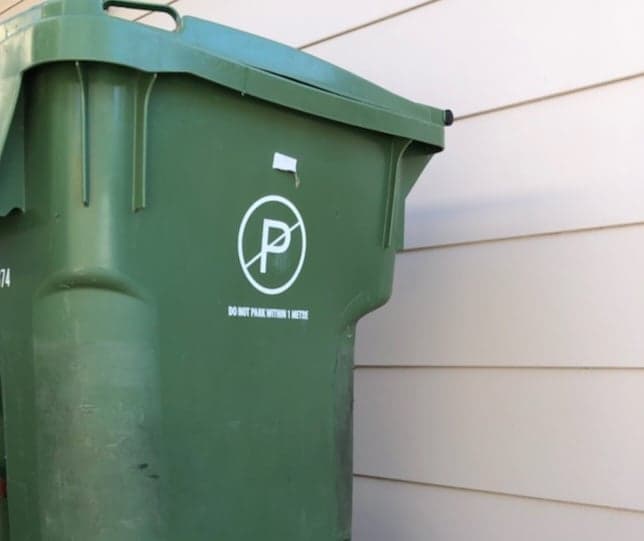

Starting February 17, 2025, the City of Lloydminster will begin implementing contamination inspections on organic waste carts to improve waste diversion efforts and reduce organic waste contamination.
Inspections will be conducted at random and will apply only to organic waste carts. GFL Environmental Inc. staff members, wearing visible uniforms, will inspect the contents of the carts to identify contaminants. Carts found to contain contaminants will not be collected, and residents will be responsible for removing the contaminants before the next scheduled pickup.
Contaminated organic waste is not just an individual issue—it affects the entire community. Since November 2022, more than 1,511 tonnes of organic waste have been redirected to the landfill instead of being composted due to contamination. A single non-compostable item can compromise an entire load, reducing composting efficiency, increasing disposal costs and shortening the landfill’s lifespan. Proper waste sorting is essential to maintaining a sustainable and cost-effective waste management system.
Johan Jones Manager of Waste and Environment Programs with the City of Lloydminster, “Our top priority as the waste management team is to divert as much waste from going to our landfill as possible. By ensuring that only accepted materials go into organic carts, we can significantly reduce organic contamination, extend the lifespan of our landfill, and help avoid increased waste management costs for the entire community. Reducing contamination is a team effort, and every resident’s contribution makes a difference.”
Listed on the city’s website are the items which can be placed in the green bin. It includes:
- Bones
- Branches
- Bread
- Cat litter
- Coffee grounds and filters
- Cold ashes
- Cooking oils
- Corks
- Dairy products
- Dryer lint
- Egg shells
- Fish
- Grass clippings
- Grease
- Leaves
- Meat
- Pet waste (bagged, small amounts)
- Pizza boxes
- Popcorn bags
- Produce
- Rice
- Sawdust
- Shells
- Shredded paper
- Soap
- Soiled paper and cardboard
- Tea bags
- Tissue
- Wax paper
- Wood (small pieces)
Details for the grey bin and blue bag items are also listed on the city’s website.
The city notes some of the non-permitted item which end up at the organic landfill include engine oil filters, animal carcasses, metal, plastic bottles, paint cans, furniture, electronics, Styrofoam, clothing, Aerosol cans, car batteries, small engines, vinyl tarps, 3D printers, among other items.
For more information about proper waste sorting, visit Lloydminster.ca/Organics.