

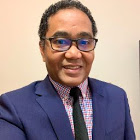
In May 2002, the Federation of Sovereign Indigenous Nations (FSIN) hired Dianne Lafond and tasked the businesswoman with setting up the First Nations Health Ombudsperson Office (FNHOO). Fast forward to July 1, 2023, and Saskatchewan is the only province in Canada with this portfolio to advocate for First Nations on the health file.
The federal government provided $1.17 million in 2022 to support the work, noting that, “Addressing anti-Indigenous racism in our health care systems is work that needs to be done across the country.”
First Nations Health Ombudsperson Lafond is in Lloydminster this week attending the United in Treaty Conference at the Lloyd Ex. She says in the past three years the office has been dealing with about 650-700 files as they seek to help people.
“I have got a really good staff of professionals with human rights backgrounds, child advocates, nursing and just the allies that want to help,” says Lafond. “We have people who come to our office and talk about situations that are ongoing. We work with the Saskatchewan Health Authority, the College of Physicians and Surgeons, nursing regulatory bodies, and so on.”
The files range for pharmacies, ambulance services, longterm care, along with complaints about emergency rooms and physicians, notes Lafond.
“There’s a lot of things going on even with protective services being in the hospital,” says Lafond who has to maintain confidentiality of the matters before the FNHOO. “We’ve got ongoing investigations. But we have an opportunity to really work and build good relationships that change things. Some things are good. I am not saying that everything is bad. There are good people within the healthcare system.”

Treaty Six – Medicine Chest Clause
The First Nations Health Ombudsperson Office is built on what Lafond sees as the right to health care which is set out in the Medicine Chest Clause of Treaty Six.
Treaty rights are “recognized and affirmed” under Section 35 of Canada’s Constitution.
Lafond says regarding the Medicine Chest Clause “we have a right to health care.”
“But it’s not only the Medicine Chest Clause, it’s also famine and pestilence.”
Lafond says, Pestilence really came into play during the Covid-19 pandemic.
“We have a right to vaccines and medications,” adds Lafond. “And even famine, we have a right to hunt, fish and trap to feed our families. And the Medicine Chest Clause is to ensure we have everything to be healthy for our spiritual, physical, and mental well-being.”
She says their ancestors wanted them to have everything that is needed for modern day, as well as access to traditional medicines. Also, while it was signed in Treaty 6, the Medicine Chest Clause covers all eleven Treaties.
From medicine bag to First Nations hospital
Lafond traces the legacy of the medicine bag as she reflects on developments in Saskatoon and also, the work at the All Nations’ Healing Hospital near Fort Qu’Appelle.
“We are seeing a little bit of things happening and changing, beacuse until we really and truly become partners, we are not going to see much change. But we want to be a part of helping our own First Nations People,” says Lafond.

As of September, construction of the Saskatoon Urgent Care Centre was more than 25 per cent complete. The project is a partnership between Saskatchewan and the Ahtahkakoop Cree Developments. The completed centre aims to provide an alternative to emergency departments for non-life-threatening illnesses, injuries, and mental health or addiction concerns, according to the Saskatchewan Health Authority.
The All Nations’ Healing Hospital offers both western and traditional approaches to healing in one campus.
“It’s got a wing of western medicine. So, you have got doctors, nurses and hospital beds. And then the other side, you’ve got a traditional healer, a pharmacy of traditional medicine and a sweat lodge. You’ve got two different worlds working together.”
Lafond wants to see more of this collaboration.
“Two worlds coming together – where we have respect for the western world and we have respect for our world as First Nations people.”
Lafond felt the United In Treaty Conference was a great opportunity for people to come together.
“Every time people are listening and learning.”
More information on the First Nations Health Ombudsperson Office (FNHOO) is available online. Details on United In Treaty and its next conference are online.