

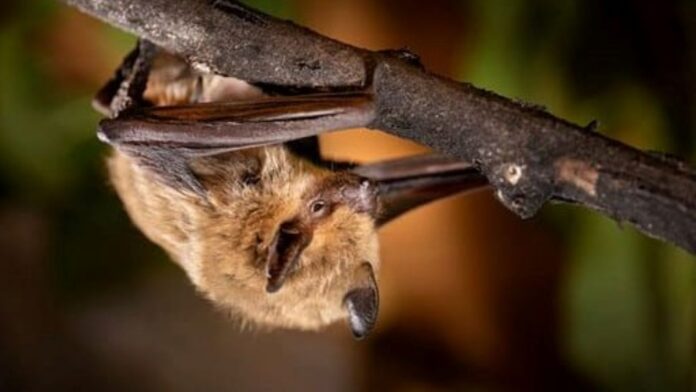

As spring renovation season approaches, homeowners are being urged to check for an unexpected — and protected — tenant: bats. Provincial environment officials are reminding residents that there are safe, bat‑friendly ways to carry out repairs while allowing the animals to leave buildings on their own.
The guidance comes as wildlife managers emphasize the use of one‑way exits, devices that allow bats to leave a structure but prevent them from returning. When installed at the proper time of year, these exits protect bat colonies, their young, and homeowners’ renovation plans.
“Bats protect our environment and support our economy by controlling insects that damage crops, forests, parks and gardens,” Saskatchewan Environment Minister Darlene Rowden said in a statement. “Because bats frequently use buildings for shelter, there are rules about when and how they can be safely removed.”
If a bat colony needs to be evicted, May and September are typically the safest months to install one‑way exits. This timing aligns with bat biology, allowing adults to relocate without trapping flightless young inside walls or roofs. In spring, exits can be installed after bats emerge from hibernation but before pups are born. In fall, exclusions can take place once young bats are capable of flying.
Bats in Alberta
Similar guidance is used in Alberta, where the Alberta Community Bat Program and Environment and Protected Areas advise against excluding bats during maternity season. Alberta guidelines generally recommend late summer or early fall for exclusions and stress that sealing a building without proper exits can lead to bat deaths, odour problems, and structural damage.
Bats are often difficult to locate inside buildings, and attempting to remove them without proper methods can cause more harm than good. One‑way exits work with bats’ natural behaviour, allowing them to leave at dusk to feed and find new roosts, reducing stress on colonies and lowering long‑term costs for property owners.
Bat Eviction Permit – Saskatchewan
A bat eviction permit is required before any exclusion work begins. Permits are available free of charge through the Ministry of Environment by contacting the Inquiry Centre. Building owners are responsible for all costs associated with eviction efforts.
Bat Eviction – Alberta
When bats are creating a health or safety issue, such as regularly entering living areas, homeowners should contact their local Fish and Wildlife office (Vermilion or Provost). A wildlife biologist can authorize a safe eviction and provide instructions on how it should be done.
Serious decline in bat population
Bat populations across North America, including in Saskatchewan and Alberta, are facing serious decline. Threats include shrinking insect populations, habitat loss, collisions with wind turbines, and white‑nose syndrome — a fungal disease that has killed millions of bats.
Residents can help support local bat populations by adopting bat‑friendly practices such as:
- Maintaining healthy wetlands and native vegetation
- Reducing or better targeting pesticide use
- Installing bat houses to provide alternative roosting sites if bats are displaced during repairs
- Regular building maintenance can also help prevent bats from accessing structures in the first place by sealing gaps, vents and damaged siding before colonies become established
Resources in Saskatchewan
More information on bat eviction timing, permits, and bat‑proofing tips is available through the Ministry of Environment’s bats and wildlife resources. Also, Bats in Saskatchewan online resource page.
Questions can also be directed to the Ministry of Environment Inquiry Centre by email at centre.inquiry@gov.sk.ca.


