



Cenovus Energy is planning a major expansion at its Spruce Lake thermal oil operation in the RM of Mervin, about 50 kilometres northeast of Lloydminster, that is expected to boost production while significantly reducing emissions intensity. The project will see the company construct a new stand-alone facility to support its first commercial use of diluent solvent-aided process, or DilSAP, technology.
The Spruce Lake operation currently produces approximately 28,000 barrels of oil per day and employs 25 full-time staff. Cenovus says the new project will increase production by about 10,000 barrels per day while reducing greenhouse gas emissions intensity by approximately 30 per cent per barrel produced.
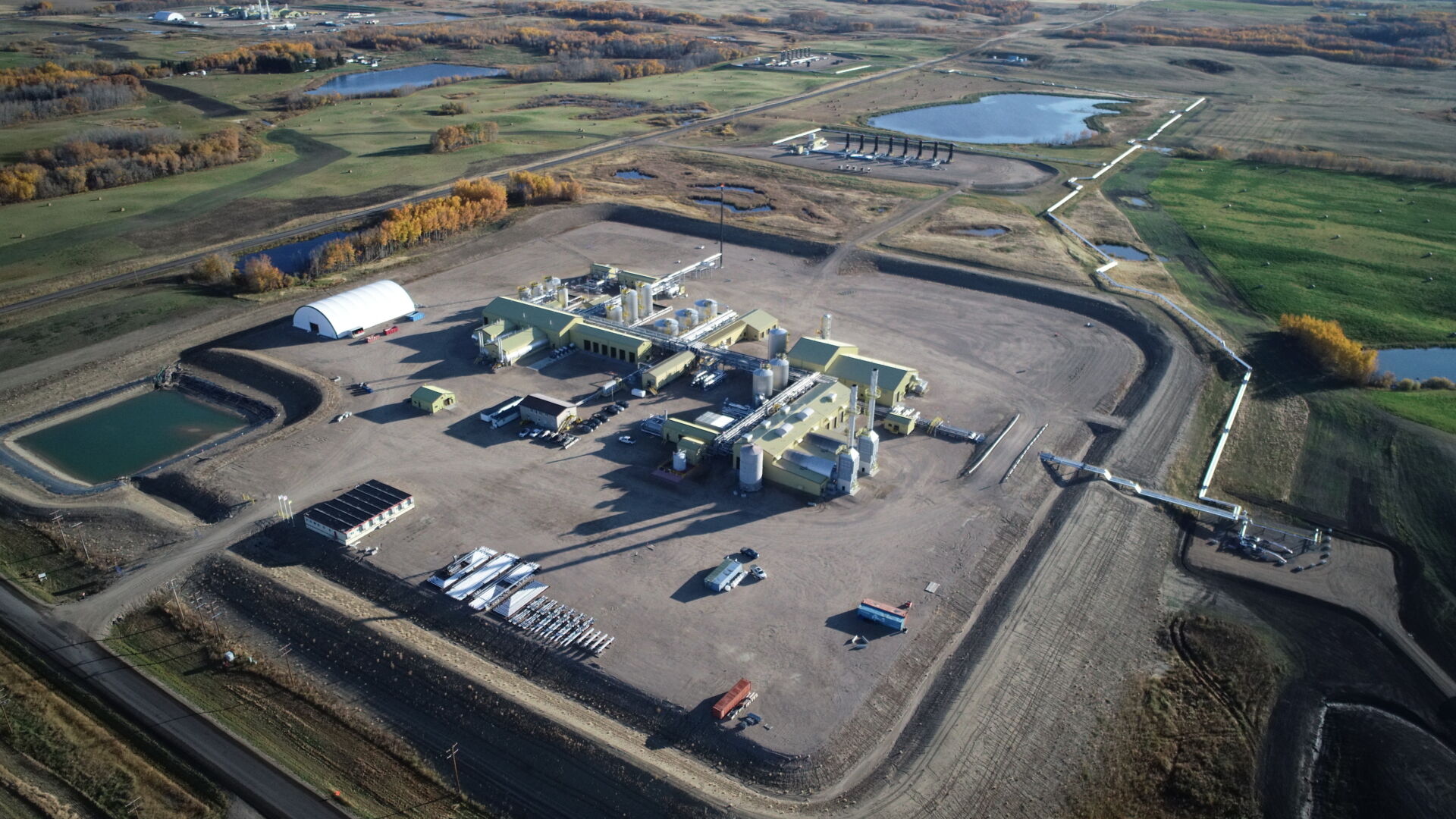
The DilSAP project will optimize production by injecting a light hydrocarbon solvent, known as condensate, along with steam into the reservoir. The solvent helps mobilize heavy oil more efficiently, allowing the company to recover more crude while using less steam and water.
New Facility Planned
The expansion includes construction of a new DilSAP facility located roughly 3.2 kilometres east of the existing Spruce Lake Central operation.
The facility will separate and recover diluent from production fluids before reinjecting it into the reservoir with steam. Cenovus says the process reduces the amount of new diluent required and improves overall operating efficiency.
The development will also include:
- A 3.5-kilometre underground pipeline supplying diluent from Spruce Lake Central
- Above-ground pipelines carrying steam, fuel gas and production fluids
- Tanks, vessels, compressors and pumps used in the recovery process
- A flare stack for operational safety
- Minor modifications to the existing Spruce Lake Central and Spruce Lake North facilities
Construction is expected to begin later this year and continue through the first quarter of 2027, with startup anticipated in late 2027.
First Commercial Application
While Cenovus has long relied on steam-assisted gravity drainage, or SAGD, technology to produce heavy oil, the Spruce Lake expansion marks the company’s first commercial deployment of DilSAP.
Traditional SAGD uses steam injected through a horizontal well to heat underground bitumen so it can flow to a second well for recovery. DilSAP enhances that process by adding condensate to the steam, further reducing the viscosity of the bitumen and making it easier to extract.
According to the company, the recovered solvent can then be separated and reused, reducing water and steam requirements while improving production rates.
Economic Benefits
Cenovus says the project will create economic benefits both during construction and long-term operations.
The company estimates up to 200 workers will be employed during peak construction. Once the facility is operating, four additional permanent positions will be added.
The project is also expected to generate additional municipal tax revenue through both development and ongoing operations.
Environmental Measures
Cenovus says the project includes several safeguards designed to protect groundwater and surface water resources. Brightsand Lake Regional Park is about 12 minutes away to the east of the Spruce Lake facility.
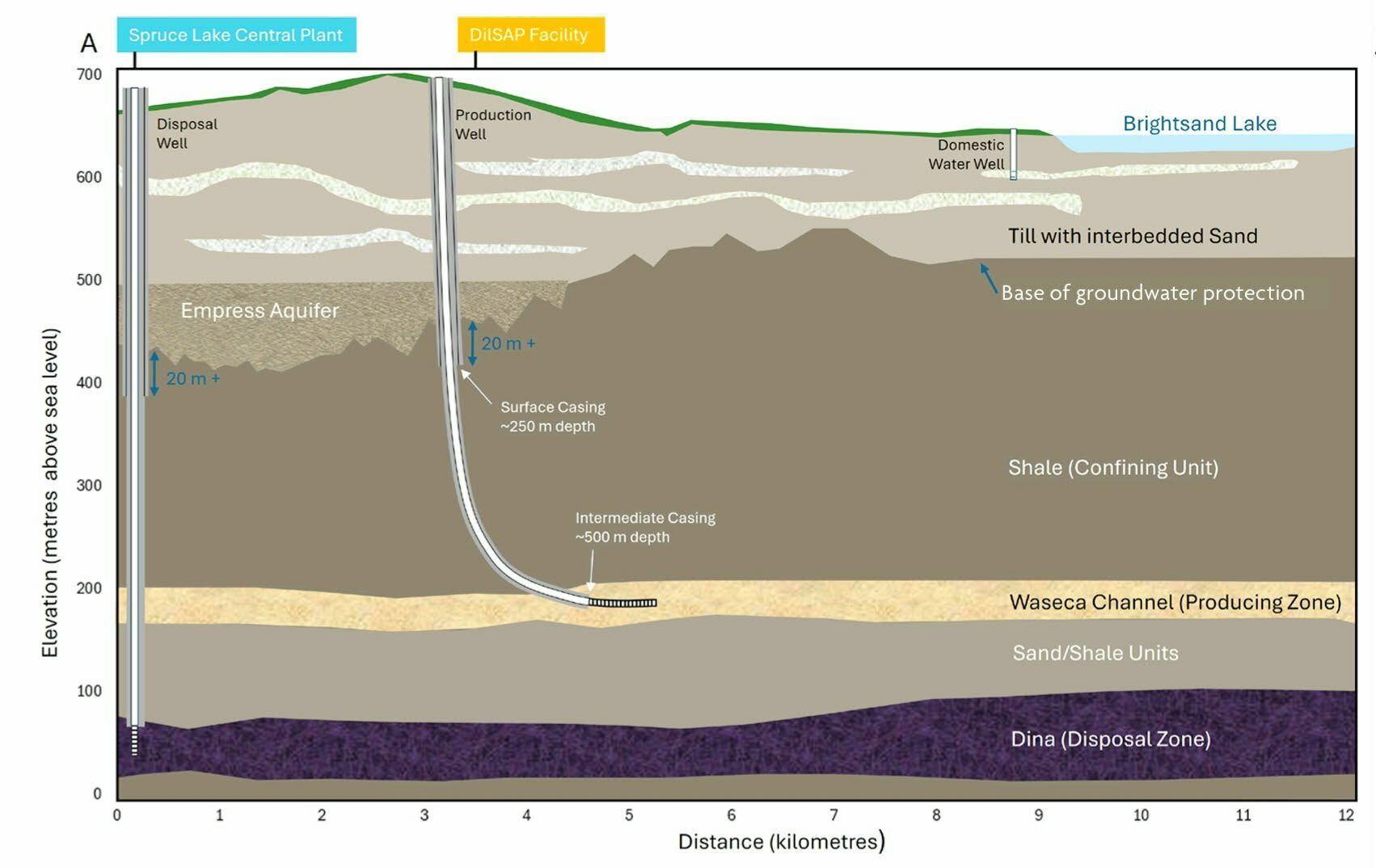
The company notes that wells are constructed with multiple layers of steel casing and cement barriers designed to isolate freshwater aquifers from deeper formations where oil is produced. Cenovus says its practice exceeds Saskatchewan’s casing and cementing requirements by extending surface casing at least 20 metres deeper than groundwater protection zones.
Company officials say the project will improve oil recovery while lowering carbon intensity, reducing steam requirements and making more efficient use of water resources at the existing operation.
The Spruce Lake expansion is one of the largest planned developments in the area and is expected to increase production from the site by more than one-third once it comes online in late 2027.


