

Environment and Climate Change Canada recently added a new colour‑coded weather alert system.
You have probably seen the alerts highlighted in yellow, orange, or red — showing not just what the weather might do, but how much it could impact your day.
Yellow means moderate impacts, orange signals high impacts, and red is reserved for the most extreme and dangerous conditions.
For example, today’s (Dec. 17) winter storm used a yellow colour for Lloydminster, Alberta, meaning moderate impact, whereas areas just east of Lloydminster, in Saskatchewan had an orange alert to convey a high impact for a blizzard warning.
Forecasters choose the colour based on two things: how confident they are the weather will happen, and how serious the effects could be — from travel delays, risks to health and safety, or impact to utilities like a power outage.
More details
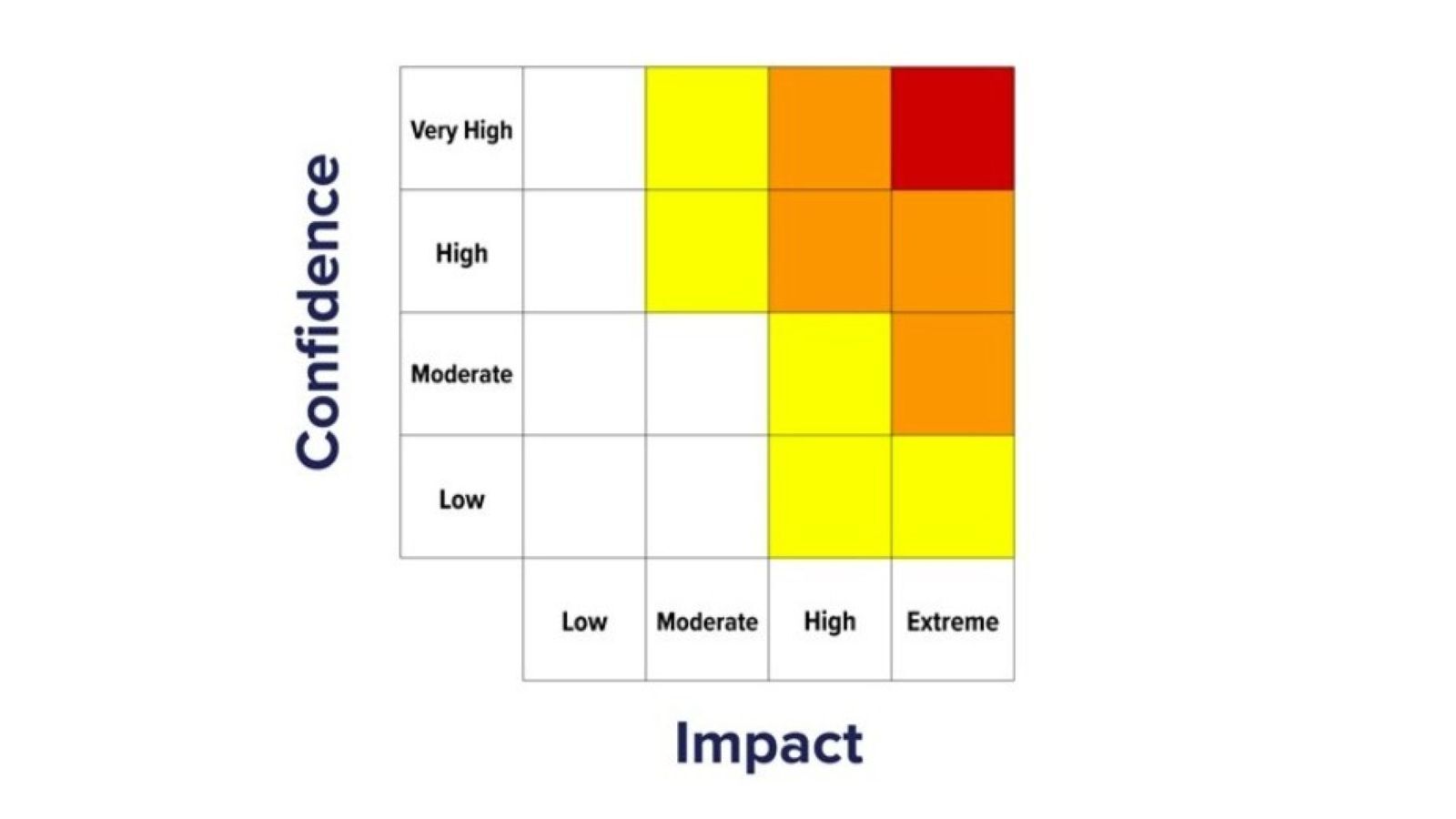
Environment Canada says the colour is chosen using an Alert Colour Matrix, which compares two key factors:
- Forecast confidence — how sure forecasters are that an event will occur
- Weather impact — how disruptive or dangerous the event could be
Forecast confidence ranges from low to very high, while impacts range from low to extreme. The point where the two meet determines the alert colour.
Breaking down the colours
Environment Canada offers a simple example: a thunderstorm.
- If forecasters are very confident it will occur and expect moderate impacts, the alert will be yellow
- If potential impacts are high, it becomes orange
- If impacts could be extreme, the alert jumps to red, the highest level
The agency notes that weather alerts are only issued for moderate, high, or extreme impacts. When expected impacts are low and day‑to‑day life won’t be affected, Canadians may instead see Special Weather Statements or MetNotes.
How Impacts Are Judged
To determine how severe a weather event might be, Environment Canada looks at how it could affect:
- Travel and commuting
- Power and utilities
- Property or infrastructure
- Public safety and health
- Community recovery time
Impacts can vary widely depending on location, existing conditions — such as snow already on the ground — timing, and the vulnerability of the people or communities affected.
Environment Canada emphasizes that higher impact levels automatically include the effects of lower levels, even if they aren’t listed each time.
Deciding confidence levels
Forecast confidence isn’t just based on models. Meteorologists consider:
- Current weather observations
- Multiple prediction models
- Their own experience and judgment
These confidence levels feed directly into the new colour system, helping forecasters signal how certain they are that an event will unfold.
Clearer alerts for a changing climate
With severe weather becoming more frequent and unpredictable, Environment Canada says the new colour‑coded system is meant to give Canadians clearer, faster information.
The goal: help people make better decisions, stay safe, and know when to prepare — whether it’s for a troublesome commute or a potentially dangerous storm.